In the rapidly evolving landscape of education, innovation and technology are no longer optional—they are essential. At Bress Murphy, we believe in leveraging modern tools and forward-thinking strategies to empower both educators and students, creating an environment where learning is not just a task, but an engaging and transformative experience. In this article, we explore how artificial intelligence (AI) is reshaping classrooms, redefining curricula, and challenging the balance between digital and traditional learning methods.
AI in the Classroom: Empowering Educators and Students
Artificial Intelligence has entered the classroom in a transformative way. From personalized learning platforms to intelligent tutoring systems, AI enables teachers to tailor instruction to the unique needs of each student. By automating administrative tasks and grading, educators gain more time to focus on mentorship and creative teaching strategies.
For students, AI-driven learning tools provide adaptive challenges and instant feedback, fostering a deeper understanding of concepts. This empowers learners to progress at their own pace, promoting self-confidence and critical thinking. At Bress Murphy, we recognize that the integration of AI is not about replacing teachers—it is about amplifying their impact, ensuring every student can reach their full potential.
Reimagining Curriculum with AI: Trends & Tools
Curriculum design has long been a foundational element of effective education. Today, AI is opening new possibilities for reimagining what and how students learn. Modern AI tools can analyze data on student performance, interests, and learning styles to suggest tailored content and instructional methods. This enables educators to create dynamic, responsive curricula that evolve with each cohort.
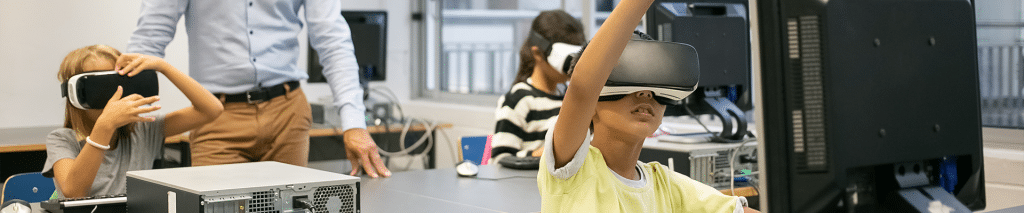
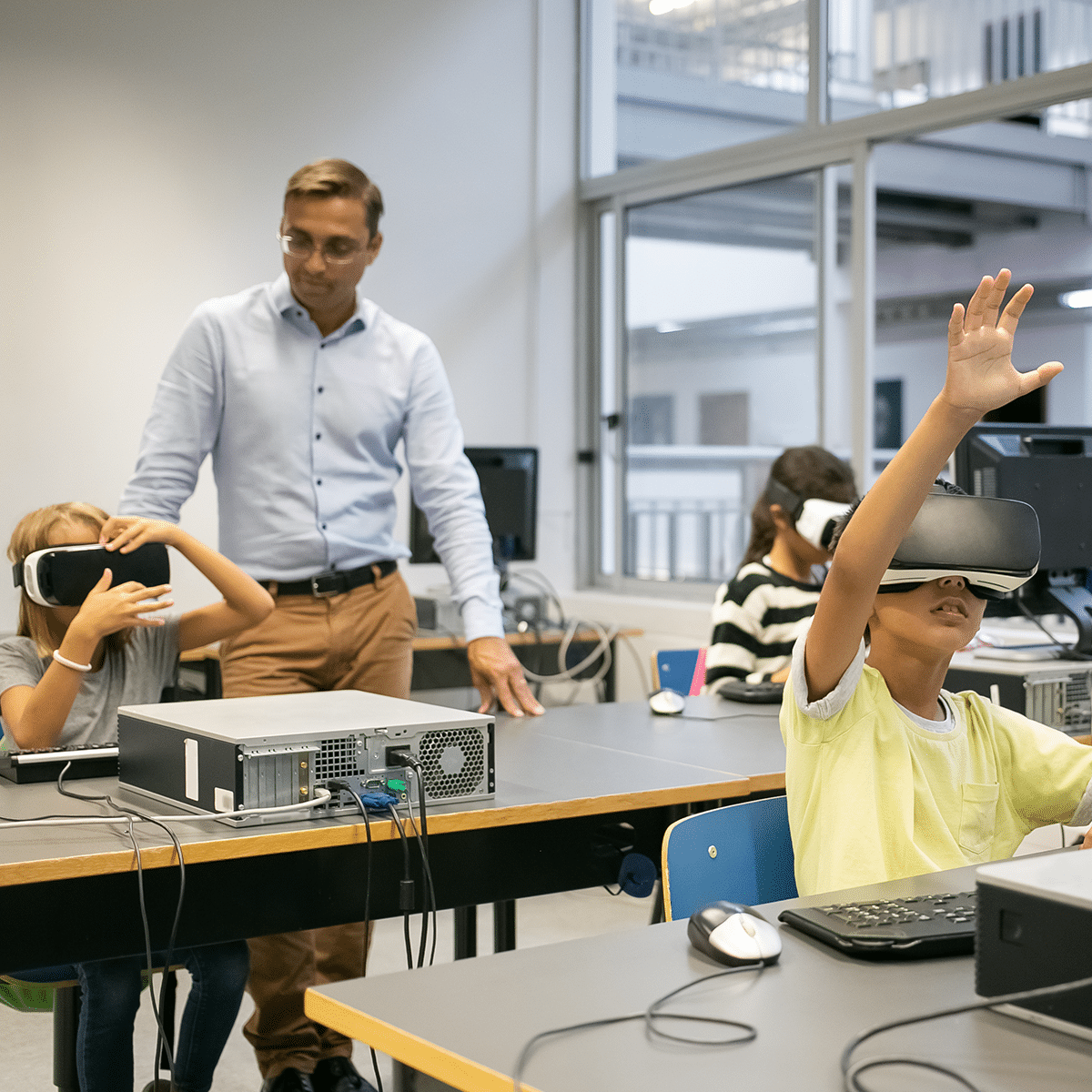
Emerging trends include immersive learning experiences powered by virtual and augmented reality, predictive analytics to anticipate learning challenges, and AI-assisted content creation that allows teachers to focus on strategic planning rather than repetitive tasks. By integrating these innovations, schools can foster an environment that nurtures curiosity, creativity, and problem-solving skills—preparing students for the challenges of the 21st century.
Digital vs. Traditional: Striking the Right Balance in Learning
While technology offers incredible opportunities, the debate between digital and traditional learning methods continues. Digital tools provide accessibility, interactivity, and instant feedback, but the value of face-to-face instruction, hands-on activities, and social collaboration remains undeniable.
At Bress Murphy, we advocate for a blended approach—leveraging the best of both worlds. Technology should complement, not replace, human interaction. By thoughtfully integrating AI and digital resources with traditional methods, educators can create a holistic learning experience that is both effective and engaging. The goal is not merely to use technology for its own sake but to enrich learning in a way that is meaningful, personalized, and sustainable.
Conclusion
Innovation in education is not a distant vision—it is happening now. AI is transforming classrooms, curricula, and learning experiences, empowering educators to teach more effectively and students to learn more meaningfully. By embracing technology while respecting the core principles of traditional education, Bress Murphy is committed to leading the way in educational innovation, preparing learners for a future full of possibilities.
Curriculum & Instruction
October 19, 2025 Blog
Curriculum & Instruction Curriculum and instruction form the backbone of ...